
A Living Wool Story Through Slovenia’s Mountains and Hands

Today we explore “From Alpine Sheep to Handwoven Textiles: The Slovenian Wool Journey,” tracing each step from high-pasture bells to the gentle thrum of a loom. We’ll meet careful shepherds, skilled scourers, patient spinners, and imaginative weavers who transform raw fleece into objects that warm bodies and anchor memories. Expect practical insight, local anecdotes, and a sense of place that smells of hay, lanolin, and fresh mountain air. Walk with us, ask questions, and share your own experiences as we celebrate materials that honor landscape, people, and time.

Where the Mountains Raise Their Flocks
The Julian Alps, Karavanke, and Kamnik–Savinja ranges shape both climate and character, encouraging hardy sheep and respectful pastoral rhythms. Summer grazing on flower-rich meadows gives fiber strength and springiness, while winter sheltering protects delicate health. Generational knowledge keeps animals safe, fields open, and traditions alive. Listen for bells at dawn, follow shepherd paths above the tree line, and notice how these gentle ruminants quietly maintain biodiversity, preventing encroaching shrubs. Here, wool begins as a living relationship between weather, elevation, forage, and care.

Breeds Shaped by Altitude

Shepherds favor resilient lines like the Jezersko–Solčava and the local Bovška, valued not only for stamina but for balanced fiber suited to durable cloth and snug knitting. Crimp, staple length, and micron count reflect pastures and weather, influencing warmth, elasticity, and drape. Generations of selection reward animals that thrive on steep slopes, lamb reliably, and grow fleeces that respond beautifully to careful finishing without losing character in the wash or on the loom.

Seasonal Rhythm on High Pastures

Spring lambing invites tender watchfulness, then flocks climb to high planine for summer variety in grasses and herbs that subtly flavors milk and fortifies wool. Autumn returns bring gatherings, repairs, and community stories retold beside steaming pots. Through storms, droughts, and brilliant blue days, shepherds adjust routes, shelter, and grazing pressure, caring for soil as much as animals. Each season writes fibers differently, leaving a quiet record of sky, grass, and attentive human hands.

From Fleece to Clean Fiber

The Hum of the Shears

Skilled shearers work quickly yet gently, supporting each animal’s weight to avoid strain and stress. Good positioning reduces nicks, and sweeping strokes keep staples long. The entire fleece rolls away as one shimmering map of growth, revealing pasture stories in color and texture. Farmers prepare clean mats, label lots, and check health along the way. Effective shearing respects animal comfort and sets spinners and weavers up for easier, more consistent work at every later stage.

Sorting with an Experienced Eye

After the fleece is skirted, experienced hands separate shoulder softness from sturdier britch fiber, note vegetable matter, and test staple strength with gentle tugging. They look for even crimp and avoid weak spots caused by stress or abrupt weather change. Each pile earns a future: lofty yarns for cozy shawls, durable warp for blankets, or felt destined for slippers. This thoughtful sorting elevates the entire supply chain, reducing waste and honoring the distinctive potential hidden in each lock.

Scouring, Rinsing, and Lanolin Lore

Warm water, the right pH, and patient soaking lift out lanolin without stripping character. Gentle agitation keeps fibers open while avoiding unwanted felting. Clean, soft water common in alpine regions leaves fleece buoyant and bright. Collected lanolin finds new life in salves and soaps, while gray rinse water becomes a lesson in stewardship. Drying on airy racks preserves crimp and bounce so carders, spinners, and weavers begin with fiber that still remembers mountain wind and morning dew.

Carding, Spinning, and the Twist of Tradition

Carding aligns fibers into cloudlike batts or smooth rovings, letting spinners draft with confidence. In village workshops and small mills, whirring drums and hand cards restore order to wild fleece. Spinning wheels hum at hearths and in studios overlooking rivers, while drop spindles appear at markets, pocketable and timeless. Twist transforms softness into strength, and plying balances energy for warp reliability. Each turn of the wheel joins memory to intention, embedding rhythm and care into future cloth.

01

Carding Tools and Textures

Hand cards coax nuance from small batches, perfect for color blending and sampling, while drum carders and mill carders offer speed and consistency for larger projects. Alignment smooths drafting and predicts fabric behavior, from airy weft to sturdy rug yarn. Makers watch for neps and short bits that might mar a warp, and they choose carding strategies accordingly. Carding becomes a quiet conversation between fleece and hands, preparing a voice that will carry gracefully across the loom.

02

Spinning Circles and Shared Skills

In community rooms and mountain kitchens, spinners swap stories while teaching long draw, short forward draft, and mindful ply-back testing. A grandmother’s tip about relaxing the shoulders can unblock stubborn overtwist more quickly than any textbook page. New makers arrive curious, leave confident, and return with yarns that reflect personal pace. Slovenian landscapes shape these gatherings: pauses for plum cake, windows cracked to the Savinja breeze, and the sense that skills thrive best when friendship anchors practice.

03

Plying for Purpose and Durability

Two-ply sings in lace and weft, while three-ply stands firm in warp and socks, balancing abrasion with pleasing roundness. Spinners test samples under real tension, wet-finish, and listen to yarn release excess energy. That ritual foresees loom behavior and helps avoid broken ends mid-project. Thoughtful plying also supports finishing techniques like fulling and brushing without collapsing structure. Good yarn remembers intention, forgiving minor weaving errors and welcoming daily wear with a resilience that feels both practical and kind.

On the Loom: Patterns that Speak of Valleys

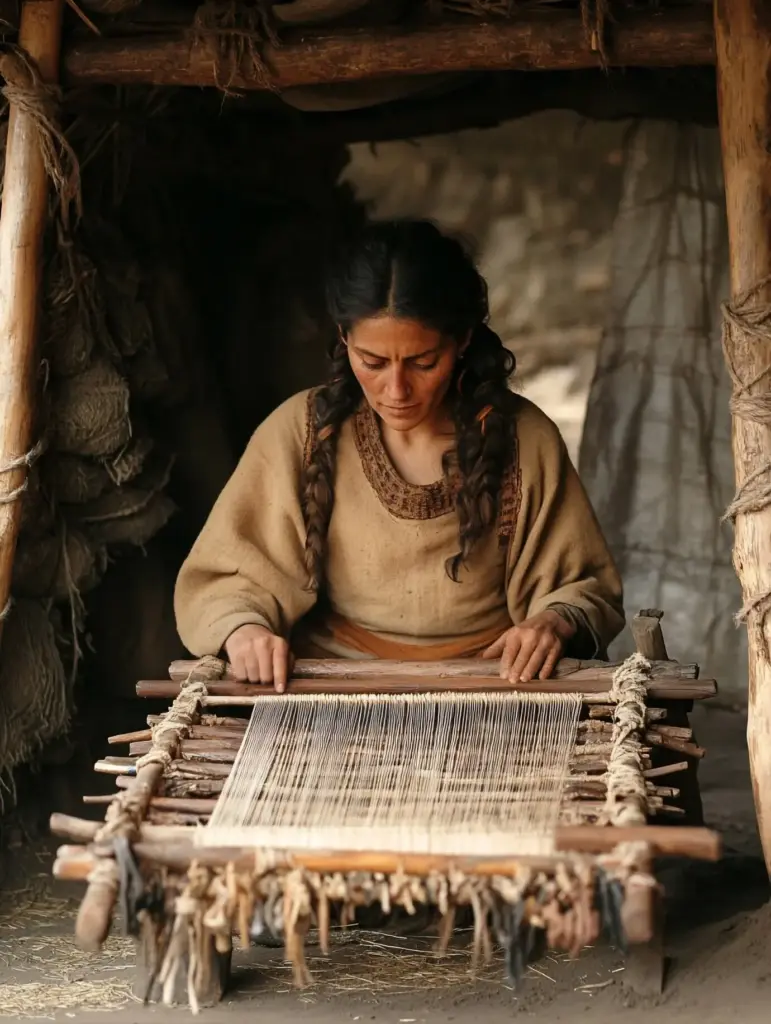
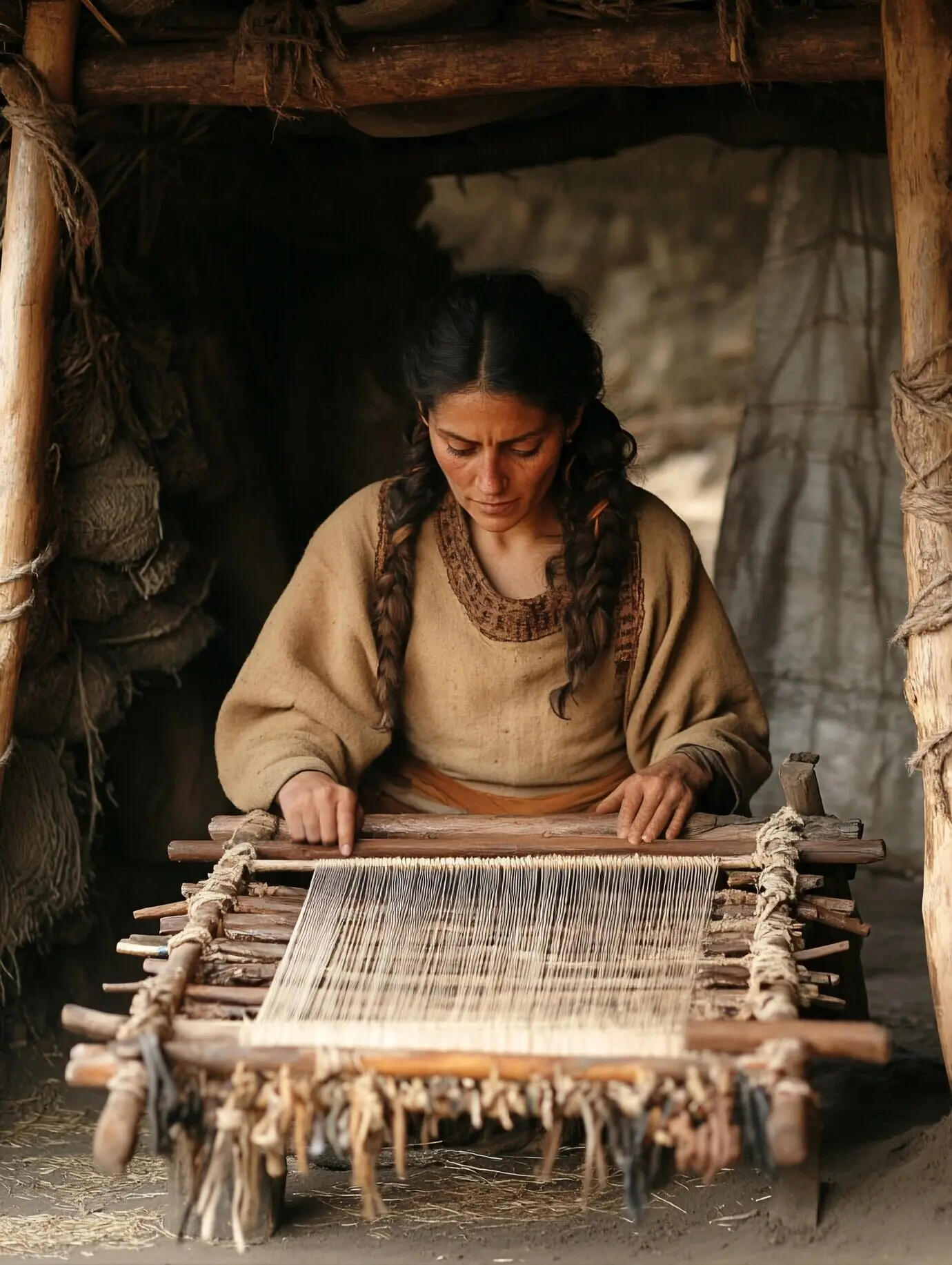
Warping transforms yarn into a promise stretched across beams, each end counted with care. Natural dyes from walnut hulls, onion skins, and garden marigolds combine with sheep whites and grays for gentle palettes echoing stone, lichen, and river pools. Weavers choose drafts that balance tradition and innovation, seeking durable selvedges and a comfortable hand. Beat by beat, cloth appears—first suggestion, then presence, then inevitability. Finishing will soften edges, but integrity begins here with measured tension, patience, and trust.

Craft, Community, and Circular Economy
Across Slovenia, small mills, farmer collectives, and independent studios collaborate to keep value local. Fair pricing for fleece, transparent grading, and batch traceability help customers understand what they hold. Designers translate heritage into contemporary blankets, shawls, and home goods for city apartments and alpine guesthouses. Offcuts become felted slippers and trivets, while lanolin feeds small-batch skincare. Even lower-grade wool finds purpose in insulation and garden beds. This circular thinking turns a once-overlooked resource into livelihoods with dignity and resilience.

Stories From the Trail

Narratives remind us why details matter. A shepherd watches weather roll over the Logar Valley and times the move to safer pasture. A spinner remembers learning to draft beside a kitchen window fogged by soup and tea. A weaver fixes a broken warp end without complaint, then later laughs about it at the market. Objects carry these stories forward, comforting guests, marking milestones, and inheriting new adventures. Through memory, wool remains more than fiber; it becomes hospitality you can hold.

Morning Bells in the Logar Valley

At first light, mist drifts between spruce trunks while bells answer each other across the meadow. Boots damp, the shepherd checks fences, counts lambs, and smiles at a dog already reading the day’s work. A notebook records pasture rest and forage health. When shearing time nears, he plans helpers, coffee, and clean tarps. Later, a blanket woven from those fleeces will return the morning’s hush to a city apartment far away, settling nerves and inviting deeper breaths.

A Studio Window Above the Savinja

In a small upstairs room, a wheel purrs beside a window where the river flashes silver. The spinner tests twist with gentle patience, compares samples, and chooses a path that honors softness without sacrificing strength. Sun warms skeins strung over chairs, while a cat guards batts like treasure. Friends drop by with walnuts and questions, and the conversation wanders from dye pots to mountain weather. Each skein leaves carrying both technique and tenderness, ready to become cloth with purpose.

Meeting at the Ljubljana Market

Baskets of scarves and throws share space with apples and honey at the central market. A visitor reaches for a gray shawl, surprised by its gentle hand and subtle sheen. The maker explains which hillside the wool grew on and how many evenings the weaving took. Laughter follows the story of a stubborn shuttle and a late bus. Contact details change hands, then a promise: when the shawl is gifted, write back. Objects travel, but friendships often journey farther.

How You Can Join the Journey

Learn, Ask, Share

Attend a shearing day, try a spindle, or weave a small sampler to feel decisions in your fingertips. Ask makers about breeds, blends, and finishing, then share what you learn so more people find confidence. When you post, tag farms and studios so attention reaches the right hands. Curiosity feeds respect, and respect sustains livelihoods. Your questions spark better practices, clearer labels, and wider understanding that wool begins far from a shop shelf, under weather and watchful care.

Choose Traceable Wool

Look for names—of flocks, valleys, mills—on tags and product pages. Traceability turns purchases into partnerships where fair pay, environmental responsibility, and craftsmanship stand visible. Embrace slight color shifts and gentle halo as signs of genuine origin rather than faults. When you compare options, ask vendors about scouring methods, energy use, and dye decisions. Thoughtful buying nudges entire systems toward transparency, proving that beauty and accountability can share the same blanket, scarf, or carefully mended sweater.

Stay Connected With Makers

Subscribe to newsletters, follow workshop calendars, and reply when a story moves you. Makers read your messages late at night after tying fringes or early in the morning before checking ewes. Feedback shapes new designs, restocks beloved pieces, and keeps courage steady during slow months. Join seasonal events, bring friends, and ask how you can help. Community grows from repeated, genuine contact—one message, market conversation, and well-loved woolen treasure at a time.
Zekinatinokexori
Privacy Overview

This website uses cookies so that we can provide you with the best user experience possible. Cookie information is stored in your browser and performs functions such as recognising you when you return to our website and helping our team to understand which sections of the website you find most interesting and useful.